Where ingredients become experiences
We translate the story, origin and values behind ingredients into considered experiences that enrich brands and connect meaningfully with audiences.
Ingredient Stories, Thoughtfully Crafted
We help organisations articulate the story behind ingredients in a way that feels considered, authentic, and experience led. Drawing on cultural context, production methods, and sensory qualities, we translate ingredients whether heritage products or locally grown produce into narratives that enrich brand identity and deepen audience connection.
Designing Meaningful Ingredient Experiences
We design ingredient experiences that integrate naturally into restaurants, cafés, and brand environments. By expressing provenance, cultivation methods, and sustainability considerations in a subtle and considered manner, ingredients become part of the overall experience - supporting brand values, sustainability commitments, and long term relevance.
From Origin to Context
Ingredients do not exist in isolation. We explore the journey from source to setting, connecting cultivation practices with contemporary environments. This may include highlighting small batch production, seasonal cycles, and responsible sourcing creating relevance for modern hospitality and retail settings.
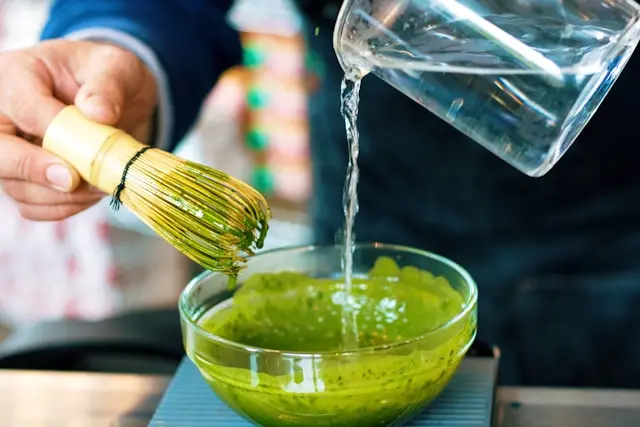
Matcha
Matcha represents more than a beverage ingredient, it reflects craft, care, and conscious decision-making. We approach matcha with the same rigour we apply to experience design: understanding its origins, respecting its production, and ensuring it aligns with the values of modern cafés and their customers.
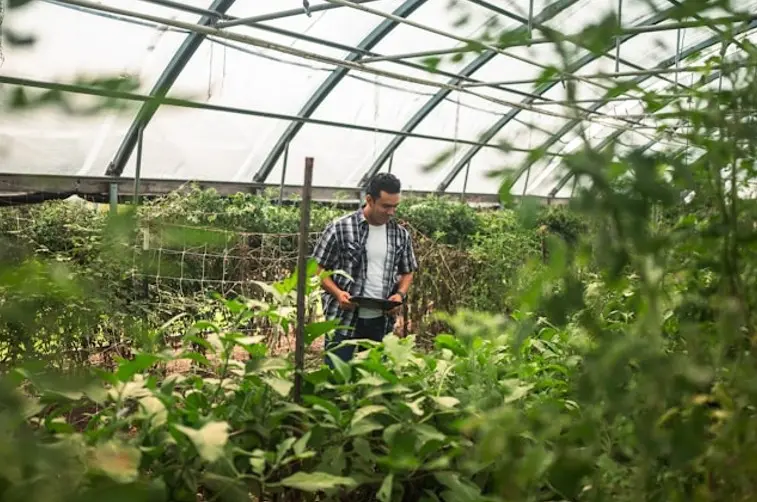
Urban Farming
Urban farming reflects resilience, transparency, and a shift towards more conscious food systems. We view urban farming through the same lens we apply to experience and ingredient thinking: understanding how food is grown, respecting the constraints of city environments, and ensuring these practices align with the values of cafés and customers who increasingly care about sustainability, freshness, and responsible sourcing.
Thoughtful Approach to Matcha
Our approach to matcha is grounded in care, knowledge, and practical relevance for hospitality. We source and supply matcha with close attention to craft, quality, and origin; an understanding of its role in everyday wellness; and a commitment to responsible production. Just as importantly, we consider how matcha performs in real café and restaurant environments ensuring consistency, clarity, and alignment with customer expectations so our partners can serve matcha with confidence and integrity.


Thoughtful Approach to Matcha
Our approach to matcha is grounded in care, knowledge, and practical relevance for hospitality. We source and supply matcha with close attention to craft, quality, and origin; an understanding of its role in everyday wellness; and a commitment to responsible production. Just as importantly, we consider how matcha performs in real café and restaurant environments ensuring consistency, clarity, and alignment with customer expectations so our partners can serve matcha with confidence and integrity.

Matcha is valued for its naturally occurring antioxidants, steady energy release, and calming focus: qualities increasingly sought by health conscious customers. Unlike many alternatives, matcha supports a slower, more sustained experience, making it well suited to cafés that prioritise mindful consumption, daytime trade, and repeat visitation rather than short-term stimulation.

Great matcha begins long before it reaches a cup. Factors such as growing region, shade growing practices, harvest timing, and milling methods directly influence flavour, colour, aroma, and usability in a café setting. We focus on matcha that delivers balance and consistency smooth enough for ceremonial preparation, yet versatile for contemporary menus.
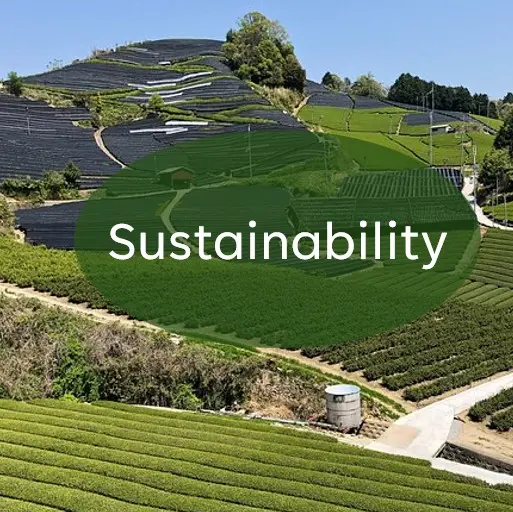
How matcha is grown and processed matters. Responsible farming practices, soil care, water management, and respectful labour conditions all contribute to long-term quality and supply stability. We place emphasis on matcha produced with sustainability in mind because cafés today are judged not only on taste, but on the values behind what they serve.

Beyond quality, cafés need reliability, transparency, and alignment with their brand positioning. We work with matcha that performs consistently across drinks and service styles, while allowing café owners to confidently communicate its story to staff and customers. This clarity helps cafés differentiate, justify premium pricing, and build trust with an increasingly informed audience.
Urban Farming
We work with property and hospitality operators to implement urban farming in practical, achievable ways. We advise on suitable growing models, research and assess potential partners and systems, and help source and implement solutions that align with space, operations, and brand values. Whether the goal is improved transparency, stronger customer connection, or a more resilient supply approach, we help translate urban farming from concept into a considered, real-world opportunity.


Urban Farming
We work with property and hospitality operators to implement urban farming in practical, achievable ways. We advise on suitable growing models, research and assess potential partners and systems, and help source and implement solutions that align with space, operations, and brand values. Whether the goal is improved transparency, stronger customer connection, or a more resilient supply approach, we help translate urban farming from concept into a considered, real-world opportunity.

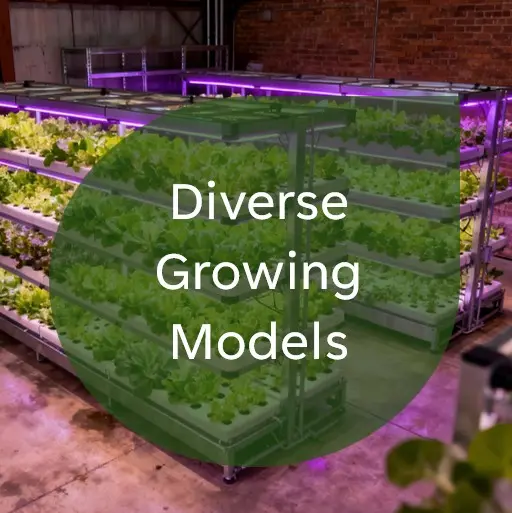
Urban farming encompasses a range of approaches, including vertical farms, hydroponic and aquaponic systems, rooftop gardens, and adaptive reuse of underutilised urban spaces. Together, these models demonstrate how food production can evolve to suit city environments while maintaining quality and reliability.
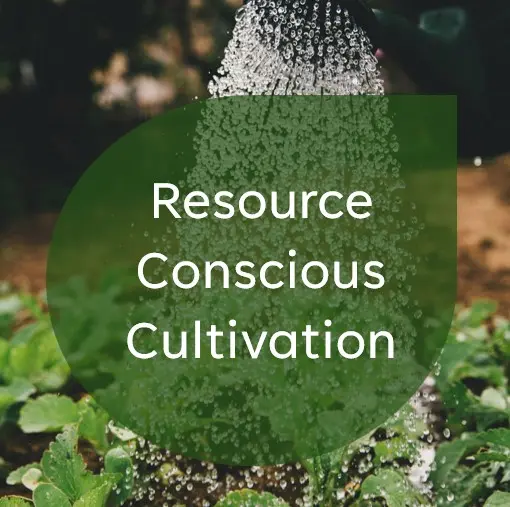
Many urban farming methods prioritise efficient use of water, energy, and space. Controlled or semi-controlled environments allow growers to optimise inputs, reduce waste, and minimise reliance on external conditions—supporting more predictable and responsible food production.
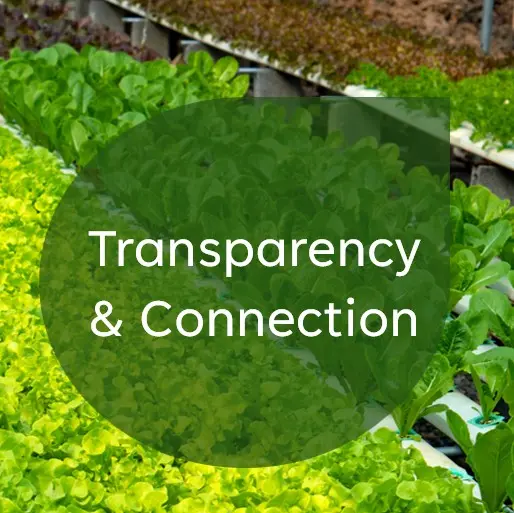
Producing food closer to its point of use creates greater visibility into how ingredients are grown. This proximity supports clearer storytelling, builds trust with customers, and reinforces the connection between cultivation practices, food quality, and everyday consumption.
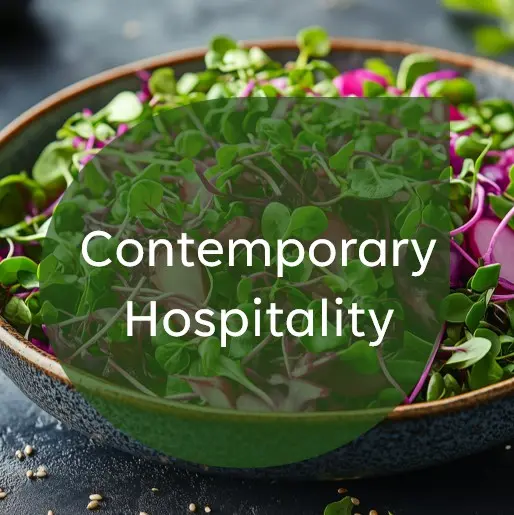
For cafés and restaurants, urban farming aligns with evolving customer expectations around sustainability, freshness, and responsible sourcing. Whether through direct partnerships or broader ingredient narratives, it offers a practical way for hospitality venues to demonstrate value without compromising operational needs.